
HOW WE WORK

One brief.
Consultants working together.

We bring the relevant consultants together and coordinate their work around your proposal. Shared project information, clear responsibilities and collaboration between disciplines support each planning stage.

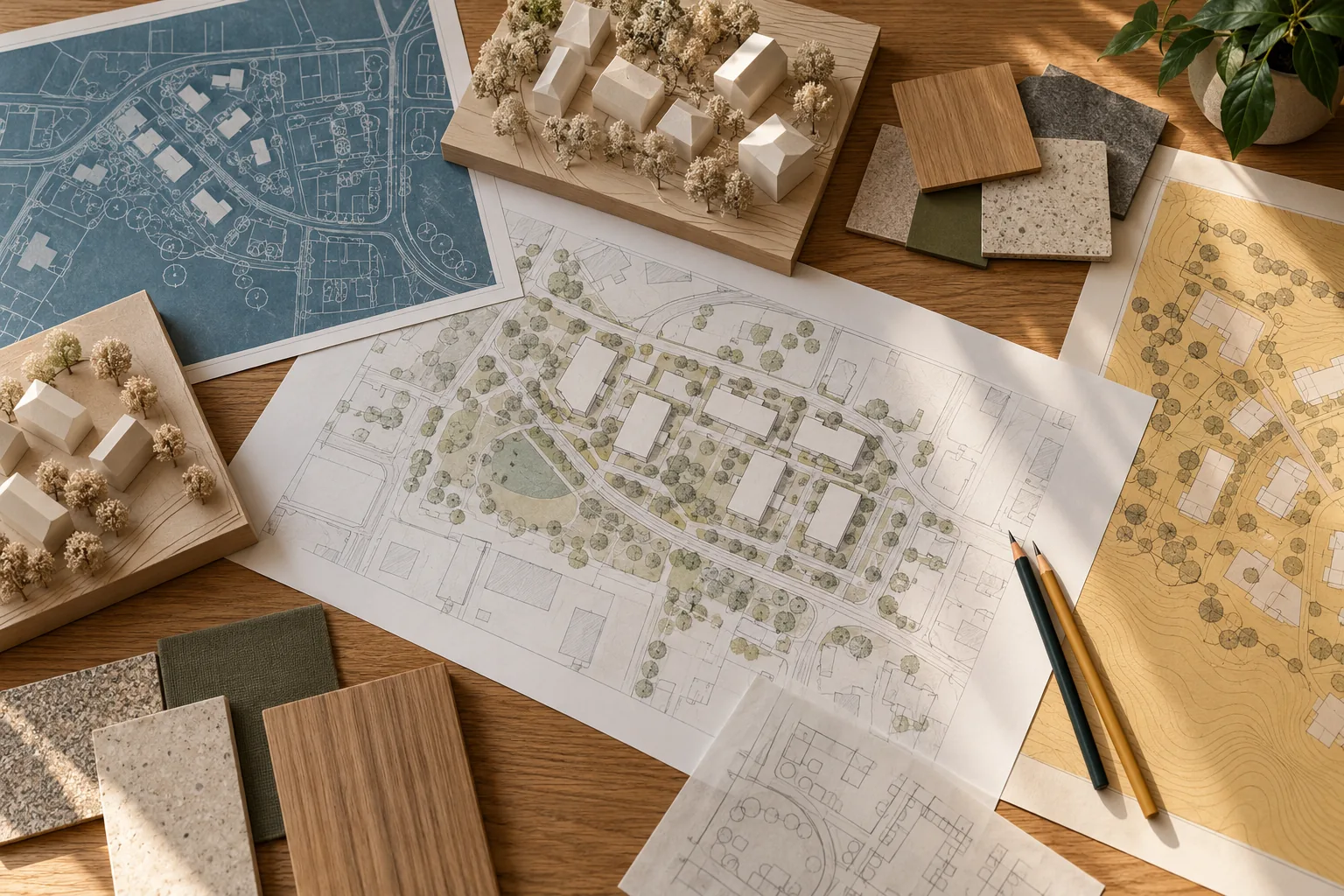
Illustrative architectural workspace with drawings, models and material samples
Illustrative concept

HOW COLLABORATION WORKS

Bring the team together around the proposal.

01

Define the brief and assemble the team

We identify the planning questions, specialist evidence and current design information. The appointment sets out who is preparing each output, the information they need and the responsibilities for coordination.

02

Coordinate assessments side by side

Consultants work from the agreed proposal and evidence base. Where their advice affects the design or another assessment, we coordinate the relevant discussions so the implications are understood by the team.

03

Review dependencies and design changes

We identify whether recommendations can be incorporated together and whether a design change affects other reports. Additional work or revised inputs are agreed before updates are commissioned.

04

Bring the submission together

The agreed outputs are coordinated against the current proposal, with outstanding information and responsibilities recorded. We manage the submission and subsequent queries where included in the appointment.

BEFORE WORK STARTS

Agree the appointment.

Every instruction begins with understanding the site, your objectives and the decision you need to make. We start with your site address, available drawings and any council correspondence. Once we understand the requirements, we provide a written fee proposal covering the deliverables, information needed, responsibilities and exclusions.

Specialist surveys, third-party appointments and council fees are identified where relevant. Additional services or changes are agreed separately.

01

Feasibility & planning strategy

We review your objectives, the site context and available information to identify planning constraints, development options and an appropriate route forward.

You receive: an agreed feasibility or planning appraisal, with next steps.

02

Pre-application advice

Where appropriate, we prepare and coordinate a pre-application submission. We review the council’s response and explain its implications for the proposal.

You receive: the agreed submission package and a review of the feedback.

03

Planning application & supporting evidence

We coordinate the application documents, drawings supplied by the design team and the specialist consultant reports required within the appointment. We manage submission, validation and council liaison.

You receive: the agreed application package and updates on its progress.

04

Decision review & next steps

We review the decision and advise on the way forward. Where required, we scope revisions, a further application or appeal support.

You receive: advice on the decision and the work needed for the next stage.

05

Discharge of conditions

We review the conditions attached to permission, identify the information needed and coordinate discharge submissions. We liaise with the council on responses within the agreed scope.

You receive: the agreed condition submissions and confirmation of the council’s decisions.

WORKING TOGETHER

Keep the project coordinated.

One agreed set of information

We identify the drawings and information used for the work. Design changes are reviewed for their effect on reports, scope and timing.

Clear responsibilities

We agree who prepares each document, which specialist inputs are needed and who manages the submission.

Practical updates

We explain outstanding information, council feedback and decisions that need your input. Timescales are agreed for our work; council decisions and specialist surveys have their own programmes.

YOUR QUESTIONS ANSWERED

Frequently asked questions

Clear answers to help you plan your next step.

How long will my report take?

We agree a programme once the scope, required information and specialist input are understood. Survey availability and the need for design clarification can affect delivery. Our preparation programme is separate from the council’s assessment timetable.

What happens if the design changes?

Changes to layout, use, scale or servicing may affect several specialist consultant reports. We review the implications and agree any additional work before revising documents. Please provide the updated drawings and explain what has changed.

What is the difference between validation and planning approval?

Validation concerns whether the application contains the information needed for the council to accept it for consideration. Approval concerns the merits of the proposal. A validated application can still require further evidence and does not guarantee permission.

What does discharge of conditions involve?

It involves reviewing a planning condition, preparing or coordinating the required information and submitting it for the council’s consideration. We agree which conditions and supporting evidence are included. Written approval should be tracked separately from simply submitting the documents.

How do your specialists work together on a project?

We bring the relevant planning consultants and specialist providers into a coordinated project team. They work from an agreed brief and current proposal, with dependencies and design changes discussed across disciplines. Each consultant remains responsible for their own professional advice and agreed deliverables.

PREPARING YOUR BRIEF

Give us a clear starting point.

Send the site address, a short description of your proposal and the decision you need help with. Include the latest drawings, planning history, council correspondence and decision notices where available. Tell us about any deadline or construction milestone that could affect the programme.

We identify information gaps before the scope is finalised. A desktop appraisal, site survey, technical assessment and full submission package are different tasks, so the fee proposal sets out which of these is included.

What the appointment should explain

  • The documents and advice to be delivered.
  • The information you and the design team need to provide.
  • The specialist inputs and third-party costs involved.
  • The fee, exclusions and agreed programme for our work.
  • Who manages the submission and responds to queries.

FROM EVIDENCE TO DELIVERY

Keep changes and dependencies visible.

Before submission

We coordinate the agreed reports against the current proposal and identify outstanding evidence. Local submission requirements and the particular site determine which documents are relevant; every item in a master register is not automatically needed.

When the design changes

A change in layout, use, scale or servicing can affect more than one report. We review the implications and agree additional work before updating the package, so the submitted documents remain consistent.

After a council decision

Permission may include conditions requiring further evidence. We help identify the work needed, its dependencies and the appropriate submission stage. The team should track written approvals as well as the preparation of documents.

Programme and communication

Our work programme is agreed around the information needed to complete it. Council assessment, survey availability and specialist investigations can affect the wider timetable. We explain outstanding actions and the input needed from you as the project progresses.

YOUR NEXT STEP

Discuss your requirements.

Share the site, your objectives and your current planning stage.

Call 020 8004 4464 or email info@greencodeconsultants.com.

Discuss your project